Residential Drain Cleaning and the Importance of Early Intervention
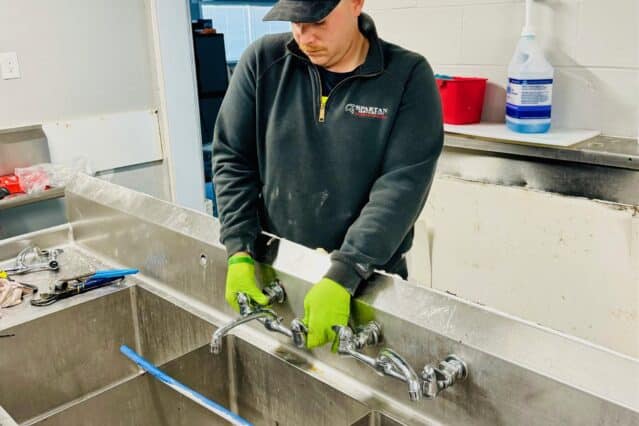

Most homeowners do not think much about their drains until a sink slows to a crawl or a shower starts pooling around their feet. By then, the problem has usually been building for weeks or months. Residential drain cleaning is often treated as a last resort, something to deal with only when normal routines become impossible. In practice, that delay is what turns a manageable maintenance issue into a repair call that affects cabinets, flooring, drywall, and daily life.
Drain systems rarely fail without warning. They whisper before they shout. A kitchen sink begins to gurgle after the dishwasher empties. A bathroom basin drains a little slower each week. A faint odor appears near the tub drain on humid days. None of those signs feels urgent in the moment, which is exactly why they are easy to ignore. But in a home plumbing system, small restrictions tend to collect more debris, more grease, more soap residue, and more hair. The passage narrows, pressure changes, and water starts looking for the easiest route, which is not always the one you want.
Early intervention matters because drains are part of a system, not isolated fixtures. A blockage forming in one branch line can affect venting, flow, and pressure elsewhere. A homeowner may believe the issue is limited to one bathroom sink when the real problem is farther down the line. Catching that problem early can mean the difference between a straightforward cleaning and a larger diagnostic job involving multiple fixtures, access points, or even sewer line investigation.
Why slow drains are rarely harmless
A slow drain often gets brushed off as an inconvenience, especially if it still works eventually. That is a mistake I have seen many homeowners regret. Water that lingers in a drain line does more than move slowly. It leaves residue behind. Grease cools and adheres to pipe walls. Soap scum combines with minerals in the water. Hair tangles around rough spots and catches anything else passing through. Food particles settle where flow has already weakened. Each use adds a thin layer, and over time that layer changes the inside diameter of the pipe enough to alter performance significantly.
In older homes, the problem can be even more pronounced. Cast iron lines develop scaling that creates a rough interior surface. That roughness holds debris far more easily than a smooth modern pipe. In galvanized systems, corrosion can choke sections of pipe from the inside out. In those cases, what looks like an ordinary clog may actually be a sign of aging infrastructure. Residential drain cleaning can restore flow in many situations, but it also helps reveal whether the issue is simple buildup or a deeper structural concern.
There is also the hygiene issue, which tends to be underestimated. Organic material trapped in drains decomposes. That creates odors and can attract pests. In kitchen lines, grease and food waste become particularly unpleasant once decomposition sets in. In bathroom drains, the mix of hair, soap, and skin oils forms a dense mat that holds bacteria and produces a stale, sour smell. Homeowners often reach for air fresheners or cleaning sprays when the real source is hidden just below the drain opening.
What early intervention actually prevents
The strongest case for acting early is not convenience. It is damage prevention. Water is patient, but relentless. When drainage slows enough, fixtures can overflow or back up unexpectedly. A blocked kitchen sink may not seem serious until the dishwasher discharges into it and dirty water rises to the counter edge. A clogged shower line may lead to water spilling across tile and seeping into adjacent rooms. A partially blocked main line can turn an ordinary laundry cycle into a backup at the basement floor drain.
Once wastewater escapes the system, cleanup is no longer a simple plumbing matter. It becomes a flooring issue, a sanitation issue, and sometimes an insurance issue. Wood vanities swell. Laminate edges curl. Drywall wicks moisture. Baseboards stain. If the water is contaminated, porous materials may need to be removed entirely. The cost difference between preventative residential drain cleaning and post-backup remediation can be substantial.
There is a subtler form of damage as well. Persistent standing water in fixtures can strain seals and joints over time. Repeated plunging or aggressive use of harsh chemical drain cleaners can damage finishes and weaken older piping. Homeowners trying to avoid a service call sometimes create a larger repair. I have seen trap assemblies warped by heat from repeated chemical reactions and decorative sink finishes dulled beyond recovery.
The most common causes inside a home
Drain problems are rarely mysterious once you know what each part of the home tends to contribute. Kitchens are usually grease, oil, food scraps, and starches. Even households that avoid pouring cooking grease down the sink still send enough fats and residue through the line to create buildup, especially when hot water gives a false sense that everything has washed away. It has not. It has only moved farther into the pipe, where it cools and sticks.
Bathrooms have a different profile. Hair is the main culprit, but hair alone is not the whole story. It combines with soap residue, toothpaste, shaving cream, and skincare products to create stubborn obstructions. In homes with hard water, mineral deposits make everything adhere more quickly. That is why one bathroom can clog repeatedly while another, used less often or by different family members, remains fine.
Laundry lines are often overlooked. Lint, detergent residue, and fabric fibers can accumulate, particularly if the washer discharges into an older standpipe setup. Utility sinks in garages or basements often collect paint residue, mop water sediment, and debris that should never enter the drain. These lines may function for a while, then suddenly back up because the pipe has slowly narrowed over years of casual misuse.
Main line issues add another layer. Tree roots, bellied sewer lines, shifting soil, and deteriorating underground pipe materials can all create recurring drainage trouble. When multiple fixtures show symptoms at once, or when the lowest drains in the house back up first, that points away from a simple local clog and toward a larger system issue.
The warning signs homeowners should not ignore
Some warning signs are obvious, others are easy to rationalize away. The key is not to wait for all of them to appear.
- Water draining slowly from sinks, tubs, or showers
- Gurgling sounds after using nearby fixtures
- Recurring odors near drains, especially in kitchens and bathrooms
- Water backing up in one fixture when another is used
- Frequent need for plunging to restore normal flow
A single symptom may still indicate an early-stage blockage. Several at once usually mean buildup has advanced beyond the trap or individual fixture. If the problem returns quickly after a temporary fix, that is especially telling. A clog that reappears within days was not truly cleared. It was only opened enough to pass water for the moment.
Why DIY fixes sometimes help, and sometimes make things worse
There is nothing wrong with sensible first steps. Removing visible hair from a shower drain cover, cleaning a sink stopper, or flushing a lightly sluggish bathroom basin with hot water and mild soap can be reasonable. A careful homeowner can address minor, localized issues without trouble. The problem starts when DIY efforts move from maintenance into guesswork.
Store-bought chemical cleaners are a common example. They are attractive because they promise speed and require little effort. But many of them do not remove the clog so much as burn a narrow channel through it. The remaining material hardens or shifts farther down the line. In some cases, the chemical sits in the pipe if the blockage is too dense, which means a technician later has to work on a line filled with caustic liquid. That is dangerous and unpleasant. In older metal piping, repeated exposure can contribute to deterioration.
Mechanical snakes sold for homeowner use can be useful in the right hands, but they also have limits. Short, lightweight augers may clear soft clogs close to the drain opening. They are less effective against dense grease, larger obstructions, or blockages farther down branch lines. Used improperly, they can scratch porcelain, damage traps, or tangle in the line. I have also seen people mistake resistance from a fitting or bend for a clog and force the cable in ways that create more trouble.
The larger point is not that homeowners should never try anything. It is that early professional attention often saves time, mess, and repeat effort. If a drain is slowing consistently, or if more than one fixture is involved, it makes sense to stop experimenting and get a proper diagnosis.
What professional residential drain cleaning involves
The phrase Residential Drain Cleaning covers a range of methods, and the right one depends on the type and location of the blockage. A professional does not just show up and automatically run the same tool every time. Good service starts with identifying whether the issue is localized to one fixture, limited to a branch line, or tied to the main drain or sewer.
For simple bathroom sink or tub clogs, mechanical removal is often the first step. Hair and soap accumulations respond well to targeted tools that extract material rather than merely pushing it deeper. In kitchen lines, a cable machine may break through grease and food buildup, but in many cases hydro jetting or high-pressure water cleaning gives a better result because it scrubs the pipe walls more thoroughly. That matters when the goal is not just restoring flow for today, but reducing how quickly the drain will clog again.
Camera inspection becomes valuable when symptoms suggest something more than routine buildup. If a line clogs repeatedly, if several fixtures are affected, or if there are signs of a sewer issue, a camera can reveal root intrusion, sagging pipe, separated joints, or heavy internal scaling. That information prevents wasted effort. There is little benefit in repeatedly cleaning a line that has a structural defect causing recurring trouble.
Professional service also includes judgment about what not to do. Not every line is a good candidate for aggressive jetting. Very old or fragile piping may need a gentler approach. Some obstructions can be cleared safely, while others signal the need for repair or replacement instead of repeated maintenance. That kind of judgment is where experience shows.
The economics of acting early
Homeowners often delay service because they want to avoid an expense, which is understandable. But plumbing costs tend to rise with severity. A routine service call during normal hours for a localized clog is usually far less disruptive than an after-hours emergency response to a sewage backup. Even if the line can still be cleared, the labor, cleanup, and urgency change the equation.
There are indirect costs too. Missed work, damaged personal items stored under sinks, ruined rugs in bathrooms, or the inconvenience of losing access to a kitchen or shower all matter. In households with children, elderly family members, or only one full bathroom, a serious drain problem quickly becomes a major household disruption.
From a property maintenance perspective, early intervention is part of protecting the home as an asset. Plumbing systems age better when they are maintained instead of forced to operate under chronic restriction. Catching a root problem early may allow for targeted repair before a sewer line collapses. Identifying a failing section of old drain pipe during a cleaning visit can help a homeowner plan and budget rather than react to a crisis.
Seasonal and household factors that change the risk
Not every home has the same drain cleaning needs. Household size matters. A two-person household with careful kitchen habits and short hair generally loads drains very differently than a busy family of five with frequent laundry, long hair, and heavy cooking. Homes with pets often deal with more fur and bathing residue. Homes with hard water may see faster accumulation from mineral interaction with soaps and detergents.
Season also plays a role, especially with sewer lines. In many regions, root intrusion becomes more noticeable during periods when roots seek moisture aggressively. Holiday cooking can stress kitchen drains with extra grease and food waste. Heavy rain can expose weaknesses in exterior drainage or combined issues affecting older systems. Cold weather has its own effect in some homes, particularly where piping runs through vulnerable spaces and grease solidifies more readily in cooler sections of drain line.
This is why there is no universal schedule that fits every property. Some homes benefit from periodic preventative cleaning every year or two. Others may go much longer with only basic maintenance. The right interval depends on the home’s age, occupancy, pipe material, and history.
When recurring clogs are telling you something bigger
A recurring clog is often treated as bad luck. More often, it is a message. If the same sink, tub, or toilet develops the same problem again and again, the issue is probably not random debris. It may be a section of pipe with poor slope, a rough interior surface catching material, an incomplete earlier cleaning, or a problem farther down the line that has not been identified.
This is especially true when homeowners say the drain works perfectly for a week after being cleared, then gradually slows again. That pattern usually means the obstruction was opened but not removed from the system effectively. Think of it like clearing a narrow path through snow rather than actually moving the snow off the road. Flow returns, but the restriction remains.
Main sewer line problems often follow a recurring pattern too. A toilet may bubble when the washing machine drains. A basement shower may back up first because it sits at the lowest point. A floor drain may release odor or moisture intermittently. These are not isolated fixture quirks. They are clues about pressure and flow through the whole drainage system.
Practical habits that reduce drain trouble
Good drain habits do not eliminate the need for residential drain cleaning, but they reduce the frequency and severity of problems. The most effective habits are simple and consistent.
- Keep grease, oils, coffee grounds, and fibrous food waste out of kitchen drains
- Use hair catchers in showers and tubs, then clean them regularly
- Flush drains with plenty of water during normal use rather than relying on occasional chemical cleaners
- Treat repeated slow drainage as a service issue, not a nuisance to ignore
- Schedule inspection when multiple fixtures begin showing symptoms
These habits work because they address the materials most likely to accumulate in residential lines. They are also realistic. Homeowners do not need a perfect routine. They need a few dependable ones.
Choosing the right response at the right time
The most valuable skill a homeowner can develop is not drain cleaning itself, but timing. Knowing when to monitor, when to do light maintenance, and when to call a professional prevents overreaction on one https://kylervcle202.talesignal.com/posts/residential-drain-cleaning-for-busy-homes-preventing-problems-before-they-start end and costly delay on the other.
If a bathroom sink is draining slightly slowly and the stopper is visibly coated with hair and residue, cleaning that assembly is a sensible first response. If a kitchen sink is backing up into a second basin, gurgling during dishwasher discharge, and producing odors, that has already moved beyond a minor nuisance. If a shower, toilet, and laundry drain are all acting strangely in the same week, that calls for prompt professional attention. At that point, the goal is not just to restore convenience. It is to prevent contamination, water damage, and larger plumbing failure.
Homeowners often ask whether they should wait and see if a drain problem resolves on its own. In my experience, drain problems rarely improve without a reason. Temporary relief can happen when warm water softens grease or partial blockages shift slightly. But true improvement without intervention is uncommon. Most of the time, waiting simply gives the obstruction more opportunities to grow.
Residential drain cleaning is not glamorous home maintenance. It is easy to postpone because the system is mostly hidden and the early symptoms feel manageable. But hidden systems deserve attention precisely because damage starts out of sight. When homeowners act early, they usually spend less, preserve more, and avoid the kind of disruption that turns a simple clog into a household emergency. That is the real value of early intervention. It protects not only the plumbing, but the home around it.
Spartan Plumbing Services
Address: 760 107th St S, Tacoma, WA 98444
Phone number: +12534998773
FAQ About Residential Drain Cleaning
How much does it cost to have someone clean your drains?
Professional drain cleaning costs between $147 and $352 on average, with most homeowners paying around $246. The final price is heavily determined by the type of drain affected, the clearing method needed, and your geographic location.
How much does it cost to clean a drain line?
Professional drain cleaning costs between $147 and $352 on average, with most standard residential jobs landing right around $246. However, your final bill can scale from $100 to over $800 depending entirely on which drain is clogged and the method required to clear it.
Is professional drain cleaning worth it?
Yes, professional drain cleaning is worth it because it clears deep buildup and prevents expensive plumbing emergencies.