Complete Guide to Septic Services Wantage NJ Homeowners Need

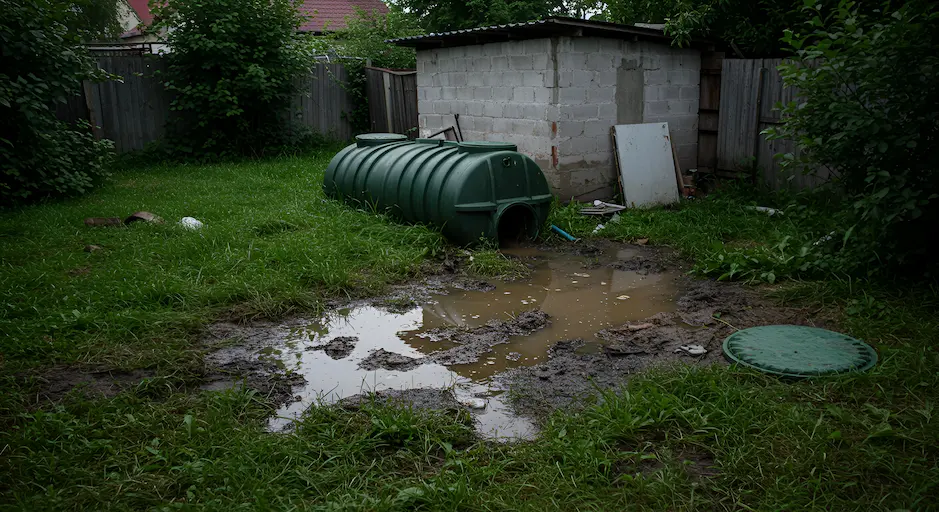

For many homeowners in Wantage, a septic system is easy to ignore until it refuses to be ignored. When everything works, wastewater leaves the house quietly, solids settle where they should, and the drain field absorbs what it is designed to handle. Then one day the sinks gurgle, the grass above the field turns suspiciously lush, or a tank lid is uncovered during a landscaping project and suddenly the system becomes the most important piece of infrastructure on the property.
That pattern is common because septic systems do their best work underground and out of sight. Still, they need regular attention, and in a place like Wantage, where many homes rely on private onsite systems rather than municipal sewer, understanding the basics saves money and prevents ugly emergencies. Good septic care is not glamorous, but it is one of the smartest forms of home maintenance. A well-maintained system can serve a property for decades. A neglected one can create backups, odors, groundwater concerns, and repair bills that reach far beyond a routine service call.
Homeowners looking into septic services Wantage NJ providers offer are usually trying to answer a few practical questions. How often should the tank be pumped? What does an inspection actually cover? When is a repair enough, and when does a drain field problem point to something larger? Which habits inside the house shorten the life of the system? Those are the questions that matter, especially when a home has changing occupancy, older infrastructure, or a property layout that limits repair options.
Why septic care matters more than people think
A septic system is not a single tank and a pipe. It is a working chain. Wastewater leaves the home, enters the tank, separates into layers, and then moves to a distribution system and absorption area, often called the drain field or leach field. Each part depends on the others. When one part is overloaded or damaged, the failure tends to spread.
The tank is where solids settle and grease rises. The middle layer, the liquid effluent, is what moves onward. If solids are allowed to accumulate too long, they can escape the tank and enter the field lines. At that point, what could have been a routine pump-out becomes a much more expensive field issue. That is one reason experienced septic contractors tend to be direct about maintenance intervals. Pumping a tank on schedule is far cheaper than restoring a compromised drain field.
Wantage homeowners also deal with conditions that can complicate septic performance. Rural and semi-rural properties often have older systems. Seasonal weather changes can affect soil saturation. Heavy rain and snowmelt can put stress on drainage. Large families, house guests, home businesses, and laundry-heavy routines can all increase water use beyond what an older system was originally designed to handle.
A septic system is not just a mechanical asset. It is tied to public health, property value, and the practical use of your home. If it cannot treat wastewater properly, the home does not function normally. That is why dependable septic services are not optional maintenance in the same category as cosmetic upgrades. They are core property care.
What septic services usually include
Many homeowners call for pumping and assume that is the full extent of professional septic services. Pumping is important, but it is only one piece of the service landscape. A good provider typically evaluates the system as a whole, especially if there are signs of trouble or if the homeowner is not sure when the tank was last serviced.
Routine septic services often include tank pumping, inspections, baffle checks, filter cleaning when a filter is present, lid and riser assessment, and basic troubleshooting of slow drains or sewage odors. Some companies also handle line jetting, minor repairs, component replacement, and diagnosis of drain field concerns. On properties with pumps, alarms, or advanced treatment components, service may include electrical and mechanical checks as well.
The most valuable part of a service visit is often not the pumping itself. It is the condition assessment. A contractor who opens the tank, checks sludge and scum levels, looks at the inlet and outlet condition, and pays attention to what the tank contents reveal can identify a problem before it turns into a crisis. A tank that fills unusually fast, for example, can point to high water use, leaking fixtures, or groundwater infiltration. Grease-heavy buildup may reveal kitchen habits that are stressing the system. Solids where they should not be can suggest a damaged baffle or neglected maintenance history.
That diagnostic judgment is where quality septic services earn their keep.
How often a septic tank should be pumped
There is no single answer that fits every home, and that is where people sometimes get into trouble. Homeowners understandably want a simple rule, but pumping frequency depends on tank size, household size, water use habits, garbage disposal use, and whether the system receives proper care between visits.
Many residential tanks need pumping every three to five years, but that broad range can be misleading if taken too literally. A smaller tank serving a busy household may need attention sooner. A lightly used home with efficient water use may be able to go longer. A vacation property is its own category because use comes in concentrated waves rather than evenly over the year.
I have seen homeowners rely on a previous owner’s vague estimate and assume they are safe, only to find that occupancy has changed completely. A house that once had two adults may now have a family of five, teenage laundry habits included. That changes the equation quickly. The same goes for homes where finishing a basement or adding bedrooms increased actual usage without any corresponding review of septic capacity.
The most reliable approach is to establish a service history. Once a tank has been inspected and pumped, the contractor can make a much better recommendation based on actual solids accumulation rather than guesswork. That first baseline visit is often the one that brings clarity.
Signs your system needs attention
Most failing systems do not go from perfect to catastrophic overnight. They usually send warnings first. The trouble is that homeowners often explain those warnings away until the system forces the issue.
The most common signs include:
- slow drains in multiple fixtures, especially when the problem affects more than one bathroom or the lowest drain in the house
- sewage odors outdoors near the tank or field, or indoors when fixtures are used
- wet, soggy, or unusually green patches over the drain field during ordinary weather
- gurgling sounds in pipes after flushing or draining water
- backups into tubs, showers, or floor drains
One isolated slow sink can be a local plumbing clog. Multiple fixtures acting up at once often suggest a broader drainage or septic issue. That distinction matters. Homeowners sometimes spend money snaking branch lines repeatedly when the real problem is a full tank or a stressed field.
Odor is another sign people tend to normalize. A healthy septic system should not create a persistent foul smell around the property. Brief odors after pumping are one thing. Lingering sewage smell is another. If you can smell the system regularly, it deserves a closer look.
What happens during a septic service visit
A professional septic service visit is usually straightforward, but it helps to know what the crew is actually doing. First, they locate and access the tank. On some properties, this is simple because risers bring the lids to grade. On others, lids may be buried, which adds labor and sometimes surprises homeowners who did not realize exactly where the system sat.
Once the tank is open, the technician checks levels and conditions before pumping. That step matters. The tank tells a story when viewed before it is emptied. A reputable contractor is looking at the thickness of sludge and scum, the condition of baffles or tees, signs of backflow, and whether solids appear to be moving where they should not. If there is an effluent filter, it may be cleaned and reinstalled. If the system has pumps or alarms, those components may also be tested.
After pumping, the inside condition is easier to see. Cracks, root intrusion, damaged components, or unusual wear may become visible. If the provider notes concerns, ask for plain language. You do not need a dramatic technical speech. You need to know whether the issue is urgent, watch-and-plan, or simply routine.
A strong septic contractor also pays attention to the homeowner’s experience. If the house has intermittent odors, occasional backups after storms, or one toilet that bubbles when the washer drains, those clues help narrow the diagnosis. Septic problems are often pattern-based. The details matter.
Wantage-specific factors that affect septic performance
Homes in Wantage can vary widely by age, lot layout, elevation, and soil characteristics. That means two neighbors may have very different septic experiences even if their houses look similar from the road. This is one reason local experience is valuable when hiring septic services Wantage NJ residents can trust. A company familiar with the area often understands the recurring patterns that show up in local properties.
Weather plays a role. Extended wet periods can reduce the soil’s ability to absorb effluent effectively. Snowmelt can saturate ground conditions and expose marginal drainage performance that remains hidden during drier months. Driveways, sheds, patios, and additions can also create unintended stress if they alter drainage patterns or place weight near sensitive system components.
Tree roots are another recurring issue on older properties. Homeowners love mature landscaping, but roots do not care about property aesthetics. They seek moisture and can find their way into lines, distribution boxes, and weak points in older components. I have seen beautiful privacy plantings become expensive excavation projects simply because nobody considered how close they were to buried infrastructure.
Many rural homeowners also underestimate the effect of water softener discharge, leaking toilets, or old washing machines that use large amounts of water. Those are not dramatic failures, but over time they can keep a septic system under constant hydraulic stress. A field that might have lasted much longer under reasonable flow starts aging prematurely.
The difference between maintenance, repair, and replacement
One of the hardest parts of septic ownership is knowing which category a problem falls into. People hear the word septic and immediately fear full replacement. Sometimes that fear is justified. Often it is not.
Maintenance is routine care. Pumping the tank, cleaning a filter, checking components, and monitoring intervals all fall into this category. Repair means a part of the system is not functioning properly, but the overall system may still be serviceable. That might include replacing a broken baffle, fixing a damaged lid, addressing a line blockage, correcting a distribution issue, or servicing a pump.
Replacement enters the picture when a major component has failed beyond practical repair or when the system no longer treats wastewater effectively. Drain field failure https://bastum10.gumroad.com/p/septic-services-wantage-nj-for-homes-cabins-and-rental-properties is the scenario most homeowners dread, and for good reason. It is disruptive, site-dependent, and usually expensive. But even then, replacement decisions are not one-size-fits-all. Sometimes a system can be rehabilitated or partially reworked, depending on design, space, local requirements, and site conditions. Other times, especially with old systems and limited land options, replacement is the realistic answer.
The key is not to jump to the worst-case scenario before a real evaluation has taken place. I have watched homeowners panic over a backup caused by an overdue pump-out, and I have also seen people ignore repeated warning signs and lose the chance to address a repair before it turned into a larger field problem. Judgment matters.
Habits inside the house that help or hurt your septic system
Most septic systems fail from some combination of neglect, abuse, age, and water overload. The habits inside the house can move the needle more than people think. A system is designed to process household wastewater, not every product marketed as disposable.
Grease is a classic offender. Pouring cooking grease down the drain may seem harmless when it is hot and liquid, but it cools, thickens, and contributes to buildup. “Flushable” wipes are another problem, regardless of what the packaging claims. They do not break down like toilet paper. Feminine products, paper towels, cat litter, and harsh solids have no business in a septic system.
Water use patterns matter just as much as what goes down the drain. A single day of back-to-back laundry loads can flood a system with more water than it can comfortably process, especially if the drain field is already strained by wet weather. Spacing out heavy water use is a simple habit that pays off.
If homeowners want a short working rule, it is this: what enters a septic system should be limited to human waste, toilet paper, and normal household wastewater in manageable volumes. Anything beyond that increases risk.
Choosing a septic service provider without guessing
Hiring the cheapest company with a truck is rarely the best move with septic work. Price matters, but competence, communication, and local familiarity matter more. Septic systems are hidden systems, which means homeowners depend heavily on the honesty and judgment of the contractor standing over an open tank.
Look for a provider who explains findings clearly, gives realistic maintenance guidance, and does not jump straight from problem to panic. Good contractors usually ask about household size, usage patterns, prior service records, and symptoms before they start making declarations. They also understand the difference between an urgent repair and something that can be monitored.
When evaluating septic services, keep these points in mind:
- choose a company that is comfortable discussing inspection findings in plain language
- ask whether they handle both routine maintenance and problem diagnosis
- favor providers with experience in the Wantage area and similar rural residential systems
- keep records of every service visit, recommendation, and pumping date
- be cautious of any contractor who recommends major replacement without a clear explanation of why
That last point deserves emphasis. There are legitimate cases where replacement is necessary. But the explanation should be specific. You should understand what failed, how it was verified, and what alternatives, if any, were considered.
Preparing for service and making the visit more useful
Homeowners can make a septic service visit smoother with a little preparation. Clear access to the tank area helps. So does knowing where records are, if you have them. If you do not know the last pumping date, say so. No shame in that. Many people buy homes with limited documentation.
It also helps to share what you have noticed, even if it seems minor. Maybe the downstairs shower drains slowly after guests stay over. Maybe there is a smell near one corner of the yard after heavy rain. Maybe the washing machine standpipe gurgles sometimes. Those details give context.
A useful service call is not just about getting the tank emptied. It is about leaving with better information than you had before. You should know the approximate tank condition, whether the maintenance interval seems appropriate, whether any components need monitoring, and whether your current household use appears to fit the system well.
If risers are not installed and lids are buried each time, ask whether adding risers makes sense. In many homes, they save time and labor on future visits and encourage regular maintenance because accessing the tank becomes far easier.
Real costs, hidden costs, and why delaying service is expensive
Homeowners naturally want to manage cost, but septic economics are often misunderstood. Routine pumping is predictable. Emergency calls, backup cleanup, landscape disturbance, and field repairs are not. The least expensive septic service is usually the one you schedule before you need it.
There is also the cost that does not show up on the invoice first. A slow-developing septic issue can affect daily life long before it becomes a formal repair. Families start avoiding one bathroom. Laundry gets postponed strategically. Guests are managed around plumbing quirks. Parts of the yard stay too wet to use. Those annoyances are symptoms of a system asking for help.
Then there is resale. Buyers notice septic uncertainty quickly. A home with clear service records and evidence of regular care presents much better than one where the owner says, “It seems fine, we’ve never really had it looked at.” Septic documentation builds confidence because it replaces guesswork with a maintenance history.
When to call right away
Some septic issues can wait a few days for a scheduled appointment. Others should prompt a call as soon as possible. If sewage is backing into the home, if multiple drains are failing at once, if there is standing wastewater over the field, or if septic odors become strong and persistent, do not wait for the problem to “clear up on its own.” That waiting period is where damage and cleanup costs can grow.
The same applies if a septic alarm activates on a pumped system. Alarms exist for a reason. Sometimes the issue is a float or electrical component. Sometimes it points to a pump problem or an overload condition. Either way, it should be checked.
A final note that experienced homeowners learn the hard way: avoid driving heavy equipment or vehicles over the tank or drain field, especially if the ground is wet. Damage from compaction or cracked components is entirely preventable, and it can turn a manageable system into a repair job surprisingly fast.
A septic system works best when it is not a mystery
The healthiest approach to septic ownership is practical, not fearful. You do not need to become a wastewater engineer. You do need to know what kind of system you have, keep a service record, pump on a sensible schedule, and respond early when the system starts sending signals.
For households in Wantage, that means treating septic care as regular home stewardship, not an occasional emergency purchase. Reliable septic services Wantage NJ homeowners use consistently can extend system life, catch problems early, and make the whole property easier to manage. The best outcomes usually come from simple habits, timely maintenance, and a contractor who knows how to separate routine concerns from real trouble.
A septic system may live underground, but the results of caring for it show up everywhere above ground, in the bathrooms that keep working, the yard that stays usable, the home that remains saleable, and the expensive surprises that never happen.
Excavating New Jersey LLC
Address: 406 County Rd 565, Wantage, NJ 07461
Phone number: +19737914284
FAQ About Septic Services Wantage NJ
What is the average cost to get a septic tank emptied?
Emptying a septic tank costs between $290 and $560 on average, with most homeowners paying about $420. Prices vary based on tank size.
What is septic service?
Septic service inspects, pumps, cleans, and maintains a septic tank. A septic tank is a large, underground container that collects and treats wastewater from your home. Over time, sludge, scum, and other debris, like hair and solids, can build up in your tank and clog your drain field.
How often should you have a septic tank serviced?
A standard septic tank should be inspected every 1 to 3 years and pumped every 3 to 5 years. However, the exact schedule depends on your tank's capacity, household size, and daily water usage.